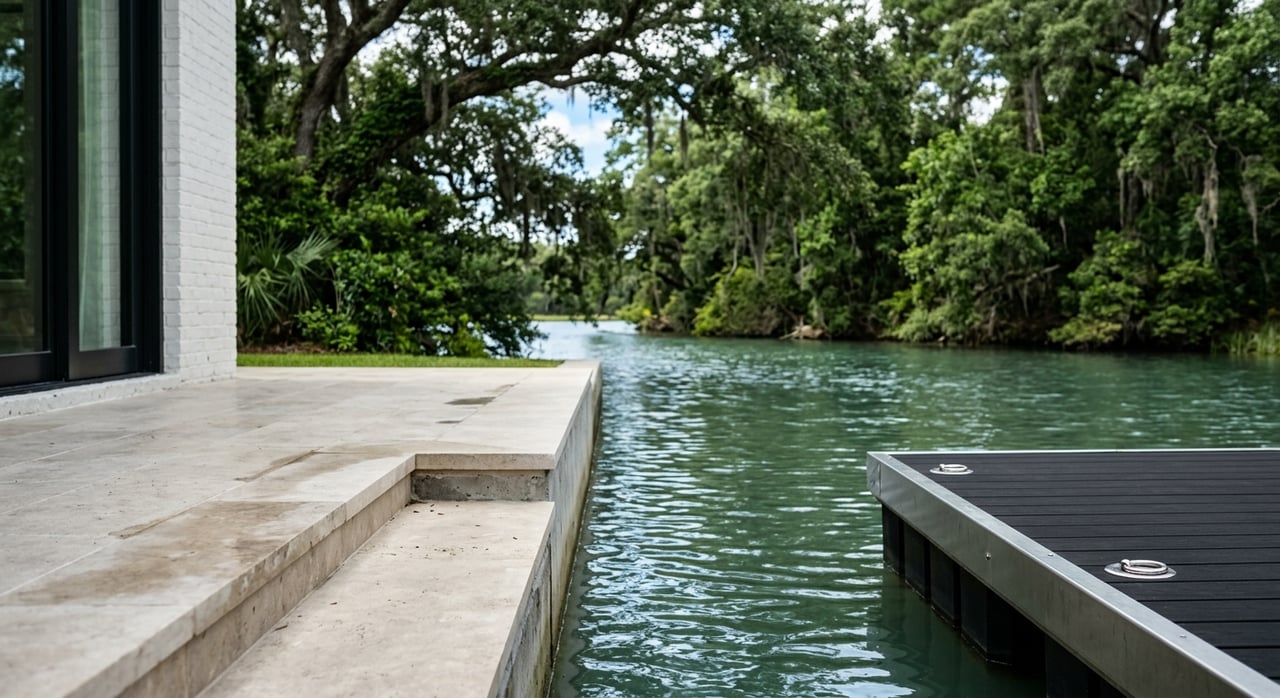
Waterfront living around Lake Conroe can look simple from the shore, but the details matter. If you are buying or selling in Montgomery County, the difference between a true waterfront property and a home with a water view or neighborhood access can shape your day-to-day use, your costs, and your long-term plans. This guide will help you understand how Lake Conroe waterfront living works, what to verify before you buy, and what sellers should prepare before listing. Let’s dive in.
Why Lake Conroe Appeals to Buyers
Lake Conroe is a 20,118-acre reservoir on the West Fork of the San Jacinto River in Montgomery and Walker counties. Texas Parks and Wildlife says it was impounded in 1973, with typical water-level fluctuation of 1 to 3 feet. That matters because your shoreline experience can change with location, lot setup, and lake conditions.
The lake also offers different shoreline character depending on where you are. Texas Parks and Wildlife notes that the lower two-thirds are mostly open water, while the upper reaches still have standing timber. In the lower reservoir, bulkheads and boat docks are common, which is one reason many buyers focus on the lower-lake waterfront lifestyle.
Waterfront Is Not One Property Type
One of the biggest misconceptions about Lake Conroe real estate is that all waterfront homes offer the same use and ownership experience. In reality, waterfront living can include single-family homes, townhouses, condominium units, and homes in section-based communities with separate restrictions. That means two properties with similar views may come with very different rules and rights.
Community materials around the lake show just how varied the housing stock is. Walden includes multiple sections plus condo associations, and its governance documents reference vacant lots, houses, townhouses, and condominium units. Bentwater describes itself as a 1,400-acre master-planned waterfront community along 12.5 miles of Lake Conroe shoreline.
For buyers, this means you should look beyond the photos. The real question is how the property functions, not just how it looks on listing day.
Know the Difference in Access
True Waterfront vs Lake View
A true waterfront property is not the same as a home that simply faces the water or sits near it. If you expect to build, maintain, or use a private dock, boathouse, pier, or similar structure, you need to confirm that the property has the right approvals and that the structure is authorized.
SJRA, which controls the reservoir, states that residential shoreline structures on Lake Conroe cannot be built, operated, or maintained without SJRA authorization. In many cases, subdivision HOA or ACC approval may also be required before construction begins. If that approval chain is missing, a buyer may inherit extra work or limits.
Community Access vs Private Access
Some homes offer neighborhood amenities rather than private shoreline rights. That can still be a strong lifestyle fit, especially if you want easier access with less hands-on maintenance. But it is different from owning a true waterfront lot with private structures and related responsibilities.
For example, Walden provides two gated boat ramps for owners, while Bentwater offers its own boat launch and marina within the community. Those amenities can be valuable, but they should not be confused with private dock rights tied to a specific property.
Boating, Marinas, and Daily Lake Use
Life on Lake Conroe often centers on boating, fishing, and easy access to the water. Public access around the lake is mixed rather than uniform, with a combination of National Forest Service ramps, TPWD-maintained ramps, and privately operated fee ramps. Examples listed by Visit Conroe include Stubblefield for small boats, Cagle and Scott’s Ridge for all-boat concrete ramps, free FM 830 ramps maintained by TPWD, and private fee ramps like Stow-A-Way, April Plaza, Pier 105, and Lakeview Marina.
For many buyers, marinas are a major part of the lifestyle. The local marina network includes places such as Walden Marina, Waterpoint Marina, and The Palms Marina. Features advertised by area marinas include open and covered slips, dry storage, valet launching, gas docks, kayak rentals, storage, and boat cleaning.
That variety gives you options. Some owners want a private dock at home. Others prefer to keep the boat at a marina and reduce maintenance at the property itself.
Fishing Is Part of the Lifestyle
Lake Conroe is also known for recreational fishing. Texas Parks and Wildlife lists channel catfish, largemouth bass, crappie, hybrid striped bass, and bluegill among the important species in the lake. It also notes that docks, marinas, and other cover can be productive fishing areas.
If fishing is part of your lifestyle goals, that can influence where you focus your search. A property near marina cover or dock-friendly shoreline may offer a different experience than a home chosen mainly for open-water views.
HOA and POA Rules Matter More Than Many Buyers Expect
On Lake Conroe, HOA and POA documents often shape daily life as much as the lot itself. These rules can affect what you may build, where you may park, and how visible your lake gear can be from the street. For some buyers, that structure feels helpful. For others, it can come as a surprise.
Walden’s ACC requires prior approval for exterior repairs, alterations, additions, and new construction. Its deed restrictions also state that boats, personal watercraft, trailers, RVs, and similar items cannot be parked or stored in public view on lots, driveways, or street rights-of-way. The community also limits trailer parking at its boat ramps.
Before you buy, ask for the current governing documents for the specific section or association. Before you sell, it helps to understand these rules early so you can answer common buyer questions clearly and accurately.
Shoreline Structures Need Extra Verification
Docks and Boathouses
If a listing includes a dock, boathouse, or pier, do not assume the paperwork is complete just because the structure is there. SJRA requires authorization for residential shoreline structures, and the community may require separate architectural approval. Buyers should ask whether the existing structure is authorized and whether records are available.
Sellers can make a listing stronger by organizing this documentation in advance. Clear records can reduce uncertainty and help serious buyers move forward with more confidence.
Bulkheads
Bulkheads deserve close attention during due diligence. SJRA says private bulkhead rights are not automatic, require a permit, can be revoked, and are not tied to any promise of reservoir level. It also notes that some projects may require additional approvals from the U.S. Army Corps of Engineers and local county or city authorities.
That means a bulkheaded shoreline may still come with unanswered questions if records are incomplete. Buyers should verify the status instead of assuming the structure is fully transferable or guaranteed for future modification.
Floodplain and Insurance Questions
Flood risk is one of the most important parts of waterfront due diligence in Montgomery County. FEMA’s Flood Map Service Center is the official public source for flood maps, and FEMA notes that maps are updated over time. A buyer should confirm the current flood map status for the property rather than relying only on older marketing materials or past assumptions.
Insurance is a separate issue that deserves direct attention. FloodSmart notes that most homeowners insurance does not cover flood damage, so flood insurance should be treated as its own decision. Even if a property has attractive lake frontage and strong curb appeal, insurance costs and coverage options can affect your total ownership picture.
County Review Can Affect Future Plans
If you are planning improvements, shoreline work, repairs, or fill in unincorporated areas, Montgomery County may be part of the process. The county requires development permits for proposed development in unincorporated areas, with a Floodplain Administrator overseeing the process. In plain terms, some work may trigger county review before you even get to community architectural approval.
This is especially important if you are buying with plans to remodel or rework the site. Sellers should also be ready for buyers to ask what work has been done and whether permits were involved.
Septic Systems Near the Lake
Some near-lake properties rely on on-site sewage facilities, and those systems can fall under SJRA oversight. SJRA states that OSSFs within 2,075 feet of the reservoir are regulated and permitted by SJRA. Qualifying systems require approval, inspection, and maintenance-contract documentation.
For buyers, this is not a small detail. You will want to know whether the system is permitted, whether inspection records are available, and whether ongoing maintenance requirements apply. For sellers, organized septic records can help remove uncertainty during contract negotiations.
A Smart Buyer Checklist
When you are evaluating Lake Conroe waterfront property, focus on the items that affect actual use and future cost.
- Confirm whether the home has true private waterfront rights, a view, or only community water access
- Verify the status of any dock, boathouse, pier, or other shoreline structure with SJRA records
- Review HOA, POA, ACC, or section-specific rules for parking, trailers, exterior changes, and shoreline improvements
- Check whether a bulkhead exists and whether permit records are available
- Confirm current flood map status
- Ask about flood insurance separately from standard homeowners coverage
- Review septic permits, inspection records, and maintenance requirements if applicable
- Ask whether any planned improvements may require Montgomery County review
A Smart Seller Checklist
If you own waterfront property in Montgomery County, preparation can make a meaningful difference in how buyers respond.
- Gather records for docks, piers, boathouses, bulkheads, and septic systems
- Review your section or association rules so buyer questions can be answered accurately
- Identify whether the property offers private access, community access, or view-only value
- Confirm key property details before marketing begins
- Be ready to discuss practical ownership costs and responsibilities, not just the lifestyle benefits
Well-prepared sellers tend to create more trust from the start. That is especially important in higher-value waterfront transactions, where buyers often look closely at risk, compliance, and long-term usability.
Why Guidance Matters on Lake Conroe
Waterfront homes in Montgomery County can be exceptional lifestyle properties, but they ask for more careful review than a typical suburban home. Between SJRA oversight, community restrictions, floodplain questions, marina options, and shoreline structures, the best decision usually comes from clear facts rather than assumptions.
Whether you are searching for a private waterfront home, a low-maintenance property with community lake access, or a strategic way to position your lakefront property for sale, experienced local guidance can help you sort the details with confidence. For discreet, high-touch advice on buying or selling around Lake Conroe, schedule a private consultation with Cameron Luxury Properties.
FAQs
What does true waterfront mean on Lake Conroe?
- True waterfront generally means the property directly adjoins the shoreline, but you should still verify whether any dock, pier, or boathouse is authorized by SJRA and whether HOA or ACC approval also applies.
What is the difference between Lake Conroe private access and community access?
- Private access is tied to the property itself, while community access usually means shared amenities such as neighborhood ramps, marinas, or launches that are available to owners within the community.
Do Lake Conroe HOAs allow boat trailers and RVs in view?
- Rules vary by community and section, but some associations restrict visible parking or storage of boats, personal watercraft, trailers, and RVs, so you should review the governing documents for the specific property.
Do Lake Conroe docks need approval?
- Yes. SJRA states that residential docks, boathouses, piers, and similar shoreline structures cannot be built, operated, or maintained without SJRA authorization, and community approval may also be required.
Do bulkheads on Lake Conroe come with automatic rights?
- No. SJRA says private bulkhead rights are not automatic, require a permit, can be revoked, and are not tied to any promise of reservoir level.
How do I check flood zone status for a Montgomery County waterfront home?
- The official public source for flood maps is FEMA’s Flood Map Service Center, and buyers should confirm current map status because flood maps can change over time.
Do waterfront homes near Lake Conroe need separate flood insurance?
- Most homeowners insurance does not cover flood damage, so flood insurance should be evaluated as a separate coverage decision.
Are septic systems near Lake Conroe regulated?
- Yes, some are. SJRA states that on-site sewage facilities within 2,075 feet of the reservoir are regulated and permitted by SJRA, with approval, inspection, and maintenance documentation requirements for qualifying systems.